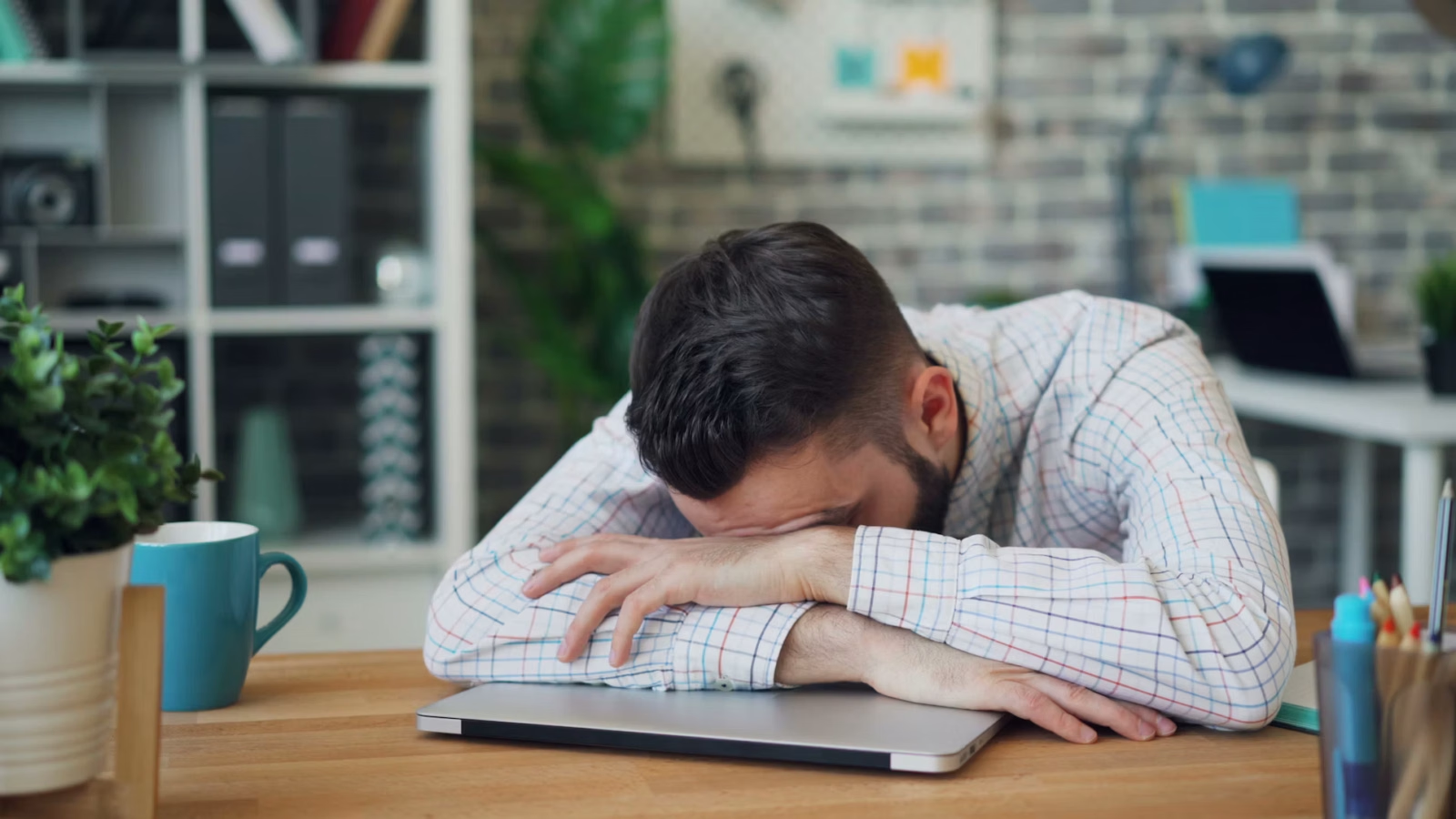
A multi-year study released Tuesday has confirmed that people who stay up late are tired the next day. The findings, published by researchers at the Institute for Applied Observation, draw on more than 14,000 participants across six countries and were described by the lead author as “consistent with everything.”
The study tracked bedtime, wake time, and self-reported tiredness over a 31-month period. Participants who went to sleep after 1 a.m. and woke before 7 a.m. reported feeling tired at a rate of 97.4 percent. The remaining 2.6 percent were later found to have filled out the survey incorrectly.

“We went in with an open mind,” said Dr. Janet Marsh, who led the research. “But the data is the data. People who don’t sleep enough are tired. We ran it four different ways.”
What Residents and Experts Are Saying About Staying Up Late and Feeling Tired
Reaction to the findings has been muted. Of the 40 people contacted by FFID News for this story, 38 agreed with the conclusion, one asked why it needed a study, and one did not answer because, according to a roommate, he was asleep.
“I stayed up until two watching a show I didn’t even like, and then I had to be at work at seven-thirty,” said Marcus Delgado, 34, a warehouse supervisor in Tempe. “I was tired. I could have told them that for free.”
“Yeah, that tracks,” said Priya Nair, 29, a dental hygienist, when read the headline in a grocery store parking lot. She then put her bags in the trunk and left.
Expert Response
Sleep researchers not involved in the study described the results as “fine” and “about what you’d expect.” For additional context on sleep timing, see the Sleep Foundation’s overview of recommended sleep amounts.
“The study is methodologically sound,” said Dr. Alan Weisse, a professor of chronobiology. “I have no notes. I’m not sure what else to say. I’m actually a little tired myself. We had a thing last night.”
“I think what’s valuable here is the sample size,” said Dr. Marsh, defending the project’s $2.1 million budget. “Before this, we only had the word of every person who has ever been alive.”
Background and Context
The relationship between staying up late and being tired the next day has been informally documented for as long as there have been mornings. Written references appear in letters from the 1700s, in which correspondents complained of being “much fatigued” after “a late evening.” Earlier than that, the record is unclear, though researchers assume the pattern held.

Despite the long history, no large-scale study had formally confirmed the link until now. “There was always a sense that we knew,” Dr. Marsh said. “But knowing and confirming are different things. Mostly in terms of funding.”
How the Study Was Conducted
Participants wore a wrist monitor that recorded when they went to sleep and when they got up. Each morning they answered a single question on an app: “How tired are you?” Responses were recorded on a five-point scale from “not tired” to “very tired.”
The researchers also collected secondary data, including how many times participants hit snooze (average: 2.3), whether they ate breakfast (41 percent did), and how many said the phrase “I need coffee” out loud before 9 a.m. (a majority, though the exact figure was not released).
Participants were not told to change their behavior. “We wanted to see people as they are,” Dr. Marsh said. “As it turns out, they are tired.”

What the Numbers Show
The data tells a straightforward story. Across all age groups, tiredness rose as bedtime got later and fell as it got earlier. The researchers plotted this on a chart. The line goes in one direction.
- 97.4 percent of participants who slept fewer than five hours reported being tired the next day.
- 71 percent of those who slept six hours reported being “somewhat tired,” with many adding comments such as “could be worse.”
- 12 percent of participants who slept eight or more hours reported being tired anyway. Researchers attributed this group to “a Monday.”
- Participants who stayed up late were 3.8 times more likely to describe their day as “long,” regardless of its actual length.
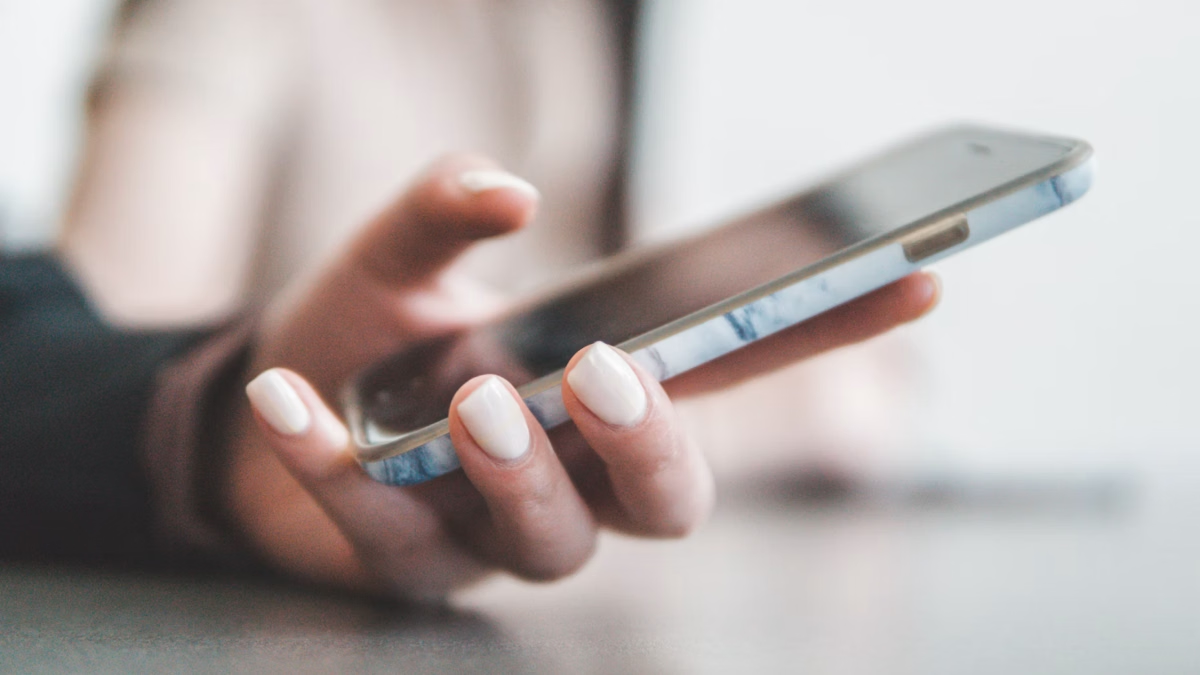
- The most common reason given for staying up late was “I don’t know.” The second most common was “my phone.”

Regional Variation
Results were consistent across all six countries in the study. Minor differences were noted in how tiredness was described. Participants in the United Kingdom favored “knackered.” Participants in the United States favored “dead.” Participants in Germany said something the researchers couldn’t understand but noted it sounded “angry”.
Age Breakdown
Adults between 18 and 25 stayed up latest and were most tired but also reported the strongest belief that they were “fine.” Adults over 50 went to bed earlier, woke up earlier, and were tired for reasons that are the subject of a separate study.
What Happens Next
The research team has applied for a follow-up grant to study whether going to bed earlier makes people less tired. Preliminary conversations with participants suggest it does, but Dr. Marsh cautioned against drawing conclusions before the data is in.
“We have a hypothesis,” she said. “We’d like to test it over about three years.”
A policy brief based on the findings has been sent to employers, school districts, and the makers of streaming services, recommending that people go to bed. No response has been received. A spokesperson for one streaming platform said the company had “seen the study” and wouldn’t consider changing anything internally in response.
Advice for the Public
Asked what the average person should take from the report, Dr. Marsh paused for several seconds.
“Go to sleep,” she said. “Earlier. That’s it. That’s the whole thing.”
The study’s full findings, including 212 pages of supplementary tables, are available online. As of Wednesday afternoon, the PDF had been downloaded 61 times. The study’s abstract, which is one sentence long, had been viewed 48,000 times.
Mr. Delgado, reached again on Thursday, said he had stayed up late the night before and was tired. He did not elaborate.