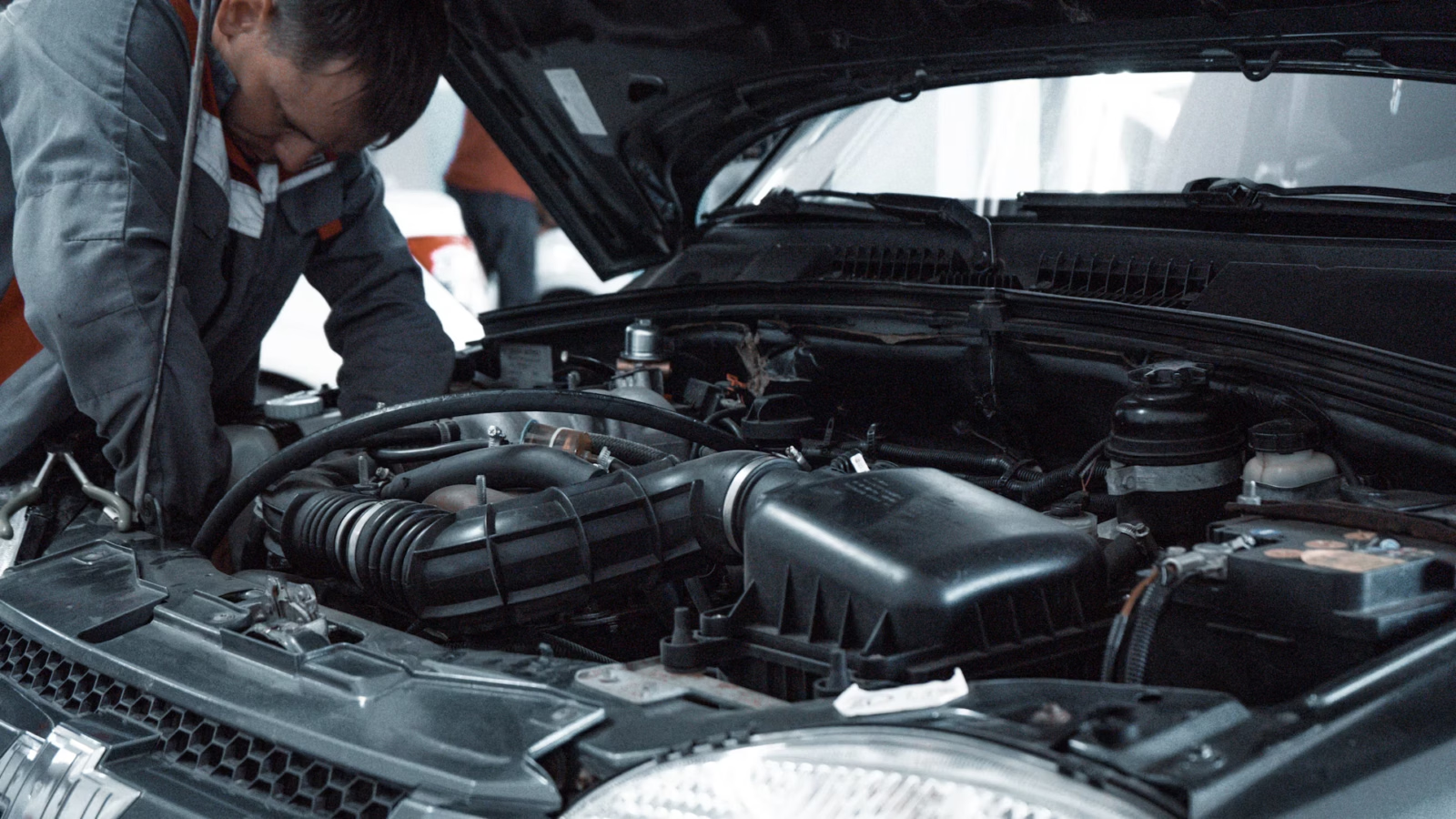
The check-engine light in Wendell Osagie’s car came on in March of last year in the parking lot of a Kroger on Lexington Avenue. He noticed it, turned the radio up one notch, and drove home. On Wednesday morning, fourteen months later, the car did not start. Osagie, 52, stood in his driveway in Mansfield, Ohio, holding a travel mug, and described what happened next as a surprise.
“I guess I thought it would sort itself out,” he said. “Or not sort itself out, but. Stay the same. It had been staying the same.”
Osagie is a shipping coordinator for a flooring distributor. He pays his bills on time and has never missed a dentist appointment, according to his wife, who keeps the calendar. His approach to the light, he said, was not a decision. It was a series of mornings on which he did not make one.
March, Last Year
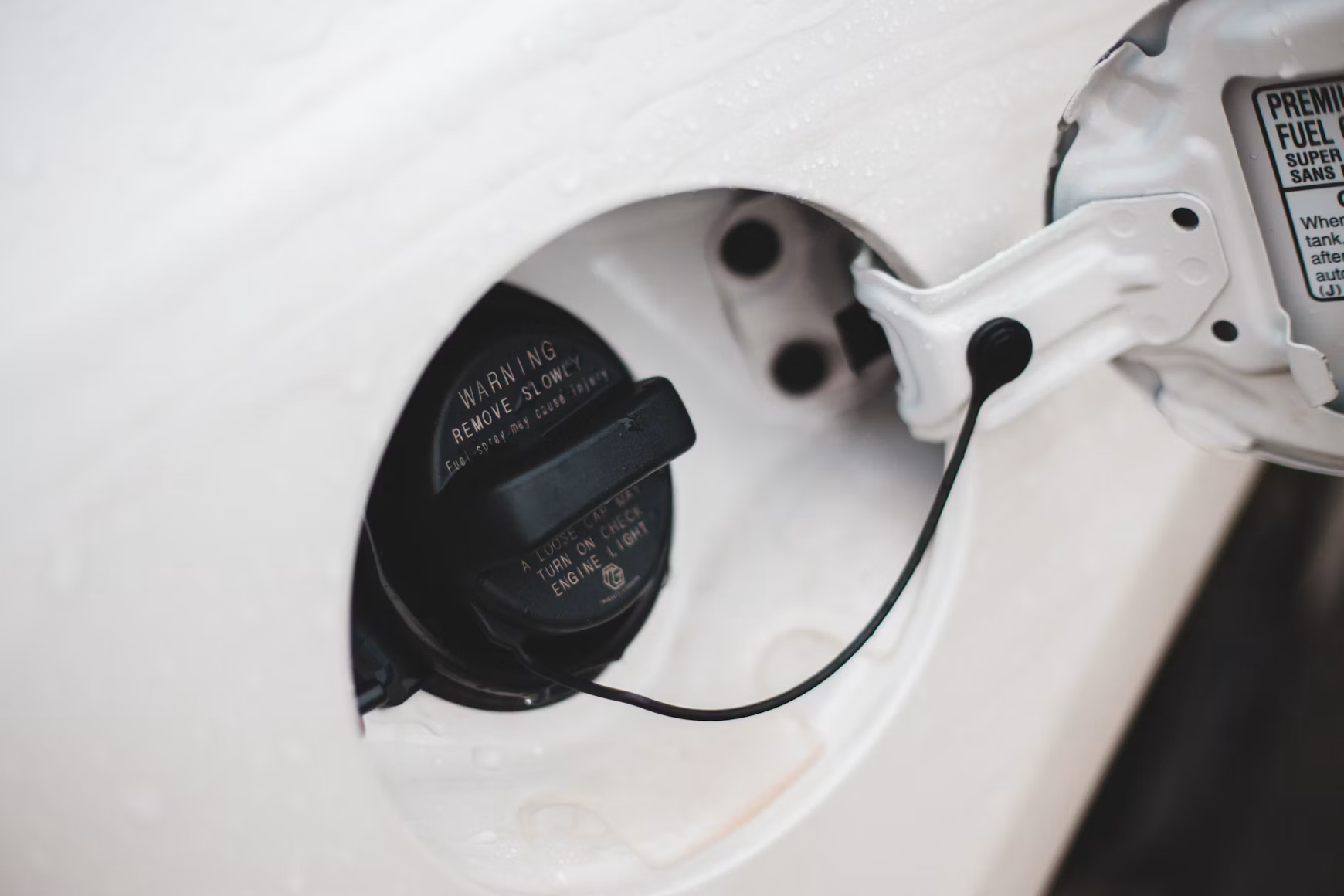
A coworker named Lyle Brandvold told Osagie it was probably the gas cap. Brandvold tells everyone this. He said he has been telling people it is the gas cap since 1998 and estimates he is right about a third of the time. “That’s a good number for free,” he said. “Nobody else at work is giving you a third.”
Osagie tightened the gas cap. The light stayed on. He tightened it again the following morning, harder, and when the light still stayed on he concluded it was a sensor. Asked what a sensor is, he said it was the thing that makes the light come on. Asked whether that meant the sensor was working correctly, he said he had not thought about it like that.
His wife, Bev Osagie, noticed the light the next week and asked. “He said he was handling it,” she said. “I took that to mean an appointment.” Osagie said he had meant that he was aware of it. “Which I was,” he said. “The whole time.”
July
By midsummer Osagie had looked up the price of a diagnostic at the shop on Park Avenue West. It was ninety dollars. “Ninety dollars to plug in a thing and tell me the light’s on,” he said. “I can see the light’s on. I’m the one who told them.”
He said the car ran fine the entire time. Bev Osagie said it did not. She described a hesitation merging onto Route 30 and a smell she called “warm.” Osagie said he had not noticed either. He was asked whether he had been listening for them. He said no, and that he did not see why he would.
The two accounts were put to each other. Neither changed.
October

In the fall Osagie cut a one-inch square of black electrical tape with kitchen scissors and placed it over the light. He wants it understood that this was not to hide the light from himself. “I knew it was there. It was so it wasn’t the first thing I saw.” He added that the tape made night driving more pleasant, which he considers a real benefit and still does. The tape is in his glove box now. He kept it.
Two houses down, Pam Szczepanski saw the tape while Osagie was washing the car. Szczepanski has owned the same Buick since 2009. She keeps a laminated card in her visor listing every service the car has ever had, with dates, and a second card listing the services it will need through 2031. She made both cards herself. When her own check-engine light came on in 2014 she was at the dealership within forty minutes and still refers to it as “the incident.”
She asked Osagie about the tape. “He said he had it under control,” she said. “I didn’t say anything. I just went back inside. I wasn’t going to get involved.”
Last Tuesday
Osagie drove to work and drove home. The couple ate dinner, watched most of a show, and went to bed. The car sat in the driveway with the tape on the dashboard. Nothing about the evening stood out to either of them. They were asked separately.
Wednesday Morning
At 7:38 a.m. the car turned over twice and stopped. Osagie tried again. He waited “to give it a minute,” which his wife timed at six, and tried a third time. He then sat in the driver’s seat without doing anything for a period both of them put at around five minutes.
“I was waiting for it to be a battery,” he said. “A battery is a different problem. A battery is nobody’s fault.”
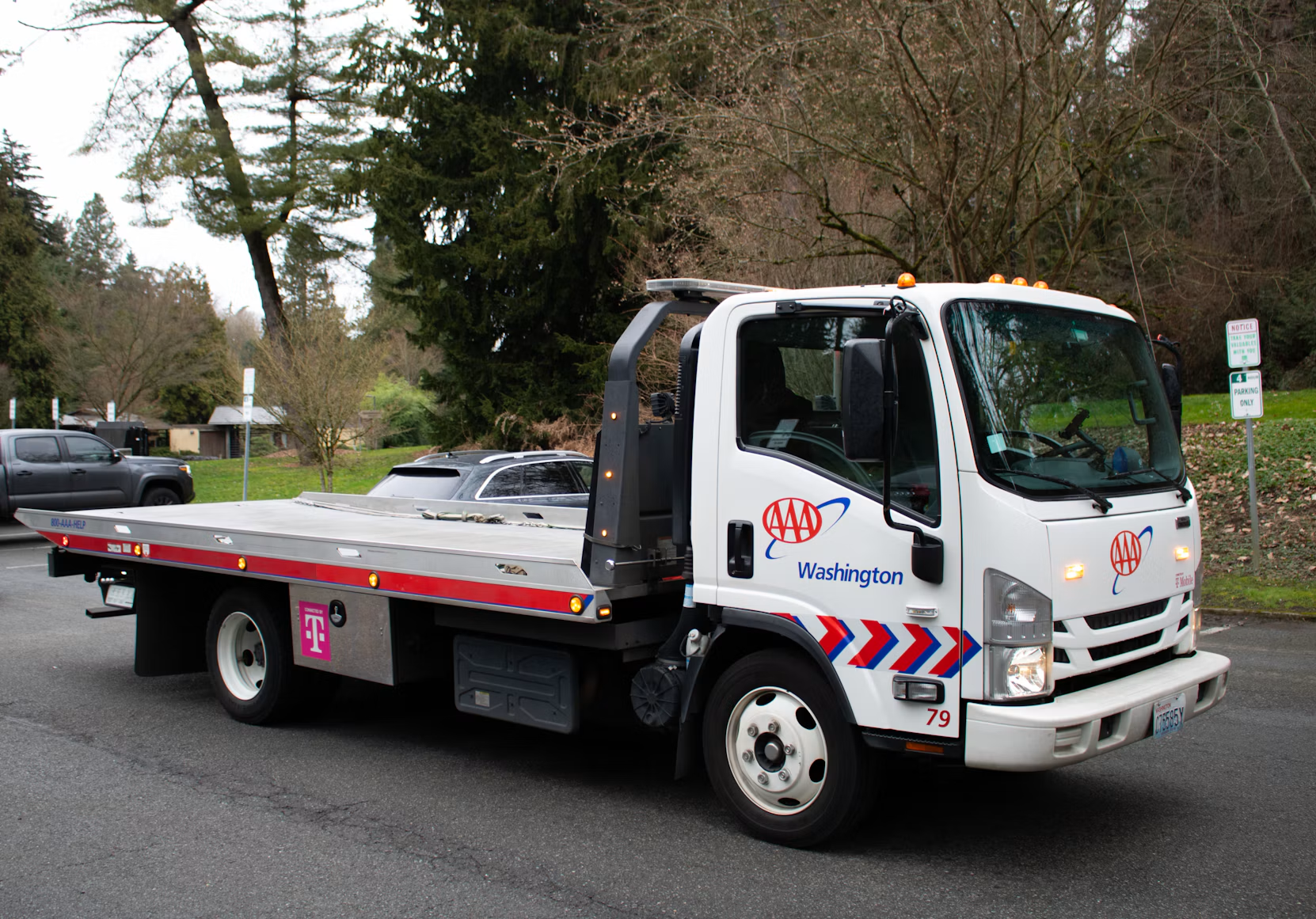
It was not the battery. A flatbed took the car to the shop on Park Avenue West, where Osagie paid the ninety-dollar diagnostic and received an estimate he would describe only as “more.” The mechanic, who asked that neither he nor the shop be named, said the original fault would have taken about an hour to fix in March. He said he has this conversation roughly twice a week, that he has been having it for nineteen years, and that he has stopped using the word “unfortunately” because it did not seem to help anyone.
Szczepanski was in her yard when the truck left. She said she did not want to comment on a neighbor’s car. She then said that her Buick is due for a coolant flush in November and that she has already made the appointment, confirmed it by phone, and written it on both cards. “I’m not saying anything,” she said. “I’m just telling you where things stand with mine.”
Bev Osagie drove her husband to pick up a rental that afternoon. On the way, he was asked whether the experience had changed anything.
“I’d like to say yes,” he said. “There’s a thing with the gutter I’ve been meaning to look at. So. We’ll see how that goes.”