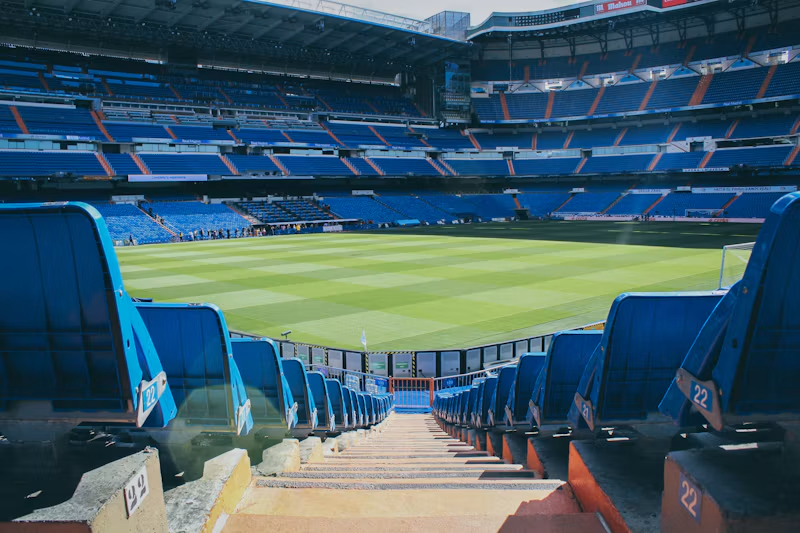
“I sit,” said Trish Mancuso, 61, a season-ticket holder in Section 214 at Harlan Field, when asked whether she sits during games. “I’ve had the seat since 1998. That’s what it’s for. Who is asking this?”
Mancuso is one of 4,180 spectators observed for the annual Spectator Posture Report, released Monday by the Spectator Seating Council, the trade association for stadium and arena seat manufacturers. The report found that 94 percent of spectators sit during games, a figure the council described as “stable” and “encouraging.” It is the eleventh consecutive year the number has fallen between 92 and 95 percent.
The survey covered 61 venues across baseball, football, basketball, hockey and two indoor lacrosse arenas in the upper Midwest. Observers were positioned at the top of each section with a handheld counter and a laminated card listing what counted as sitting.
The council has released the report every spring since 2015. Wendell Osei-Baptiste, its president, said this year’s edition was the largest and, in his view, the most significant.
“Ninety-four percent,” he said, in a phone interview he had requested. “People hear that and they move on. I don’t move on. That is tens of millions of people, every weekend, making a decision, and they are making it in our favor.” He was quiet for a moment. “In the seat’s favor, I mean.”
The Line That Rises at the First Pitch
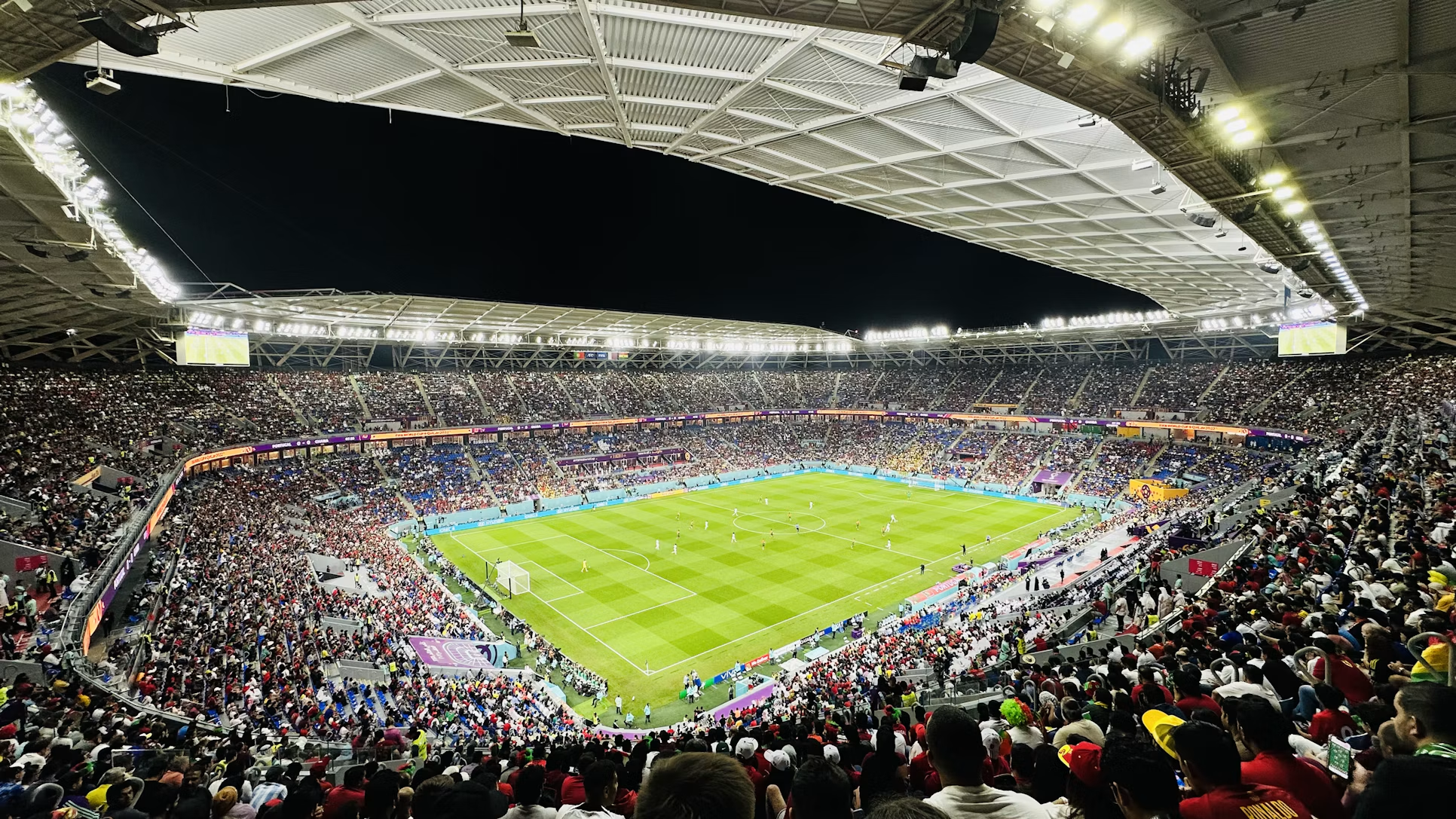
The centerpiece of the report is a single line chart, reproduced on page 6 and again, larger, on page 8. The horizontal axis is game time. The vertical axis is the share of ticketed spectators in their seats.
The line starts low, near 40 percent, in the twenty minutes before a game, when many spectators are still arriving, standing in concession lines or looking for their row. It climbs sharply at the start of play and then stays almost perfectly flat, between 91 and 96 percent, for the rest of the game. There are two small dips, one at halftime or the seventh inning, depending on the sport, and one near the end, when some spectators leave early. The line does not do anything else.
“We’ve reprinted that chart in every edition, and it has never surprised me once,” said Bernadette Hsu-Lindqvist, the methodologist who has run the survey since 2017. “You could draw it from memory.”
When spectators sit during games, and when they do not

The midgame dip has received most of the council’s analytical attention. In 2019 the council added a second observer to each section specifically to count spectators leaving their seats during breaks in play and to record, where possible, where they went. The resulting appendix runs 31 pages. Restrooms accounted for the largest share of departures, followed by concessions, followed by a category labeled “walking.”
Hsu-Lindqvist said the dip was about four percentage points and had not changed in any meaningful way over the life of the survey. She was asked whether the appendix was necessary. “It was requested,” she said.
Spectators who stand during play are counted, but not as a failure of seating. The report sorts them into “momentary standing,” which includes cheering, stretching and letting someone through, and “sustained standing,” which is anything over 90 seconds. Sustained standers made up about 3 percent of the total and were concentrated in student sections and in the first three rows behind the goal at hockey games.
Here the people involved disagree. Dale Kowalczyk-Reyes, an usher at Harlan Field for 23 seasons, said people stand more than they used to. “Used to be you’d get one guy. Now you get a whole row, and the row behind them yells, and then they sit” he said.
The survey’s data show sustained standing declining slightly since 2015. “It’s down,” Hsu-Lindqvist said. “Not by much. But down.” The report does not address the discrepancy.
The Seating Industry Responds
Shares of Varnum-Pike Seating, the country’s largest manufacturer of stadium seating, rose 2 percent on Monday after the report’s release, then returned to their previous price by the end of trading. On an investor call Tuesday morning, chief executive Rosalind Achterberg was asked whether the 94 percent figure changed the company’s outlook. “It confirms it,” she said. “People sit. We make the thing they sit in. I don’t want to overcomplicate the model.”
Oliver Vanterpool, an analyst who covers the company for a regional brokerage, said the report had been a nonevent for the stock. “It’s a seat company. The survey says people use seats. We had that in the model before there was a model,” he said, then asked whether this was going to be a long call.
The view from Section 214
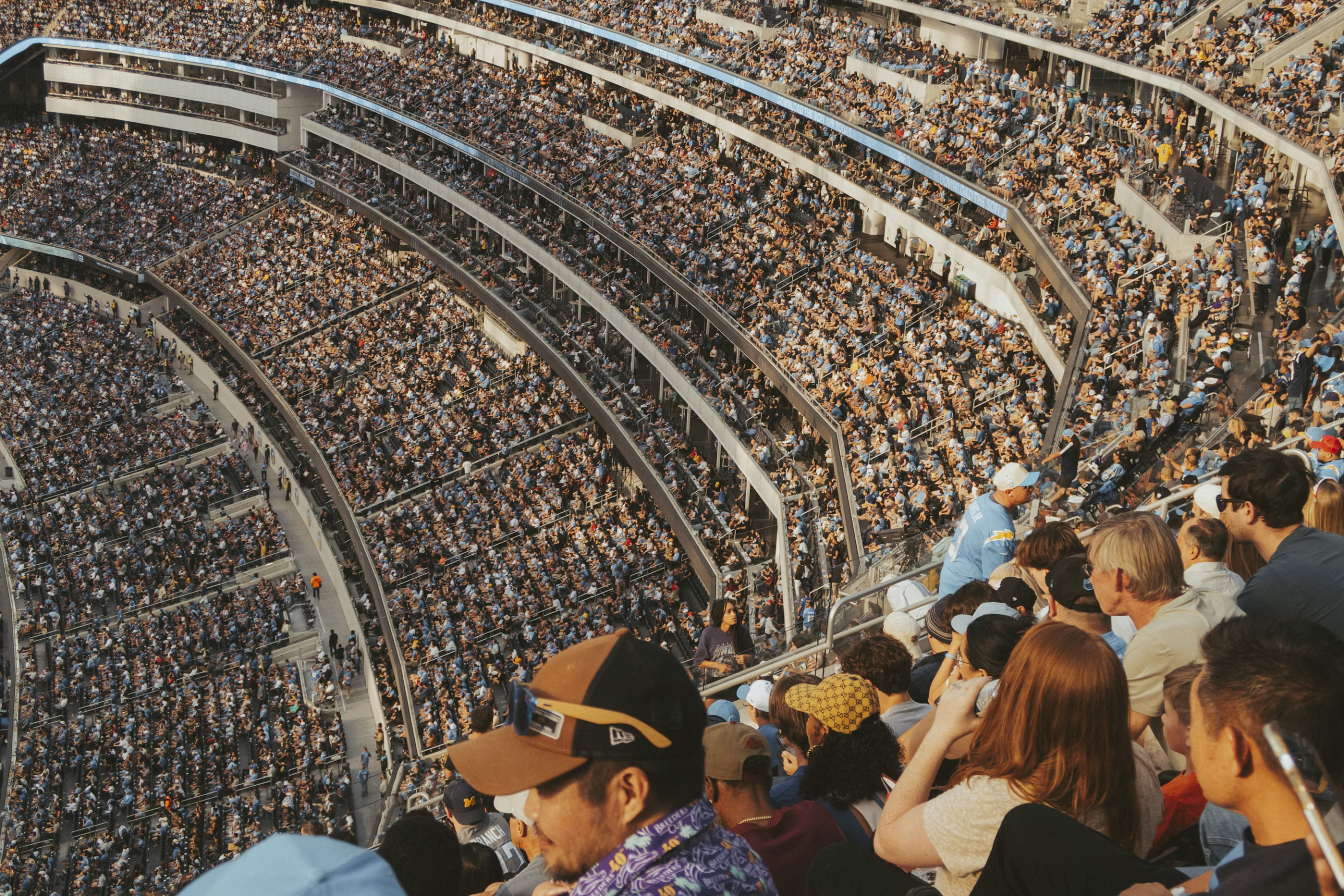
Mancuso, reached a second time to confirm her quotes, said she did not want to be in the article and then agreed to stay in it. She said she brings a cushion, which she has owned longer than the seat, and that she stands for the anthem and for the seventh-inning stretch and otherwise does not. She asked whether the survey counted the stretch as standing. It does, as momentary.
Kowalczyk-Reyes, the usher, said he had never been asked to count anything and did not plan to start. “I keep the aisle clear,” he said. “If they sit, that’s clear. If they stand, I ask them to sit. Either way I’m not writing it down.”
A five-year study
The council nonetheless announced on Monday that it will fund a five-year longitudinal study of seat occupancy at a cost of $2.3 million, to be conducted at 40 venues beginning this fall. The study will replace handheld counters with pressure sensors installed in a sample of 12,000 seats, each reporting occupancy at one-second intervals to a server in Dayton, Ohio. A Spectator Posture Index will be published quarterly. A nine-member advisory board has been named, including two orthopedists, a former minor league general manager and a representative of the cushion industry, who will attend in a nonvoting capacity. The first interim findings are scheduled for the spring of 2029. The council has already reserved a hotel ballroom in Indianapolis for the announcement.
Osei-Baptiste said the sensors would answer questions the counters could not. Asked for an example, he said: “Duration. Right now I know someone is sitting. I don’t know how long. I don’t know if they left and came back. I don’t know if they shifted.” He said the sensors can detect shifting. “I want to know about shifting.”